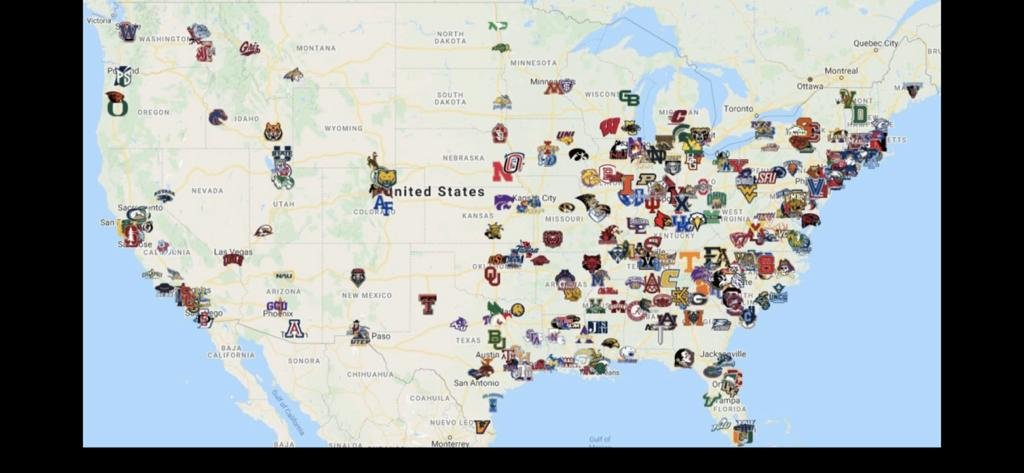
Most families start the same way. They make a list of the schools they really want. The dream schools. Maybe eight or ten programs. They send emails and wait.
Then they wonder why nothing is happening.
The number of schools your athlete contacts is one of the most controllable variables in the entire recruiting process. And most families get it wrong — not because they’re not trying, but because they don’t know what the data actually shows.
Build the List the Right Way
Start with the schools your athlete genuinely wants to attend. The programs they’d say yes to tomorrow if the offer came. Write those down.
Then add the schools that feel like a reach. Coaches evaluate athletes differently than families do, and interest from a program you thought was out of range is not uncommon.
Then think about schools where your athlete’s level makes them a strong fit — programs that genuinely need what your athlete brings. Then geographic range. Schools within driving distance you haven’t fully explored. Programs in regions you haven’t considered.
Do this honestly, by tier, without ruling anything out too early. And something starts to happen. You’re at 30 schools. Then 40. Then 50. Then 60. And you haven’t even been thorough yet.
The Number That the Data Supports
The median athlete contacts only 45 programs. High performers contact 100 or more and generate significantly more interest. The data is not subtle.
We contacted 114 schools. Our daughter received 7 offers and 4 full scholarships. That is not a coincidence.
Why Families Resist This Number
A hundred schools sounds like desperation. It isn’t. It’s strategy.
A coach receiving your athlete’s email doesn’t know how many other programs you contacted. They see a well-written introduction, a strong highlight reel, and a family that did their homework. That’s it. What looks like volume from the outside looks like professionalism from the inside.
The families who limit their list to their favorites create unnecessary pressure and miss programs that were actively looking for exactly what their athlete offers.
Go where they want you most.