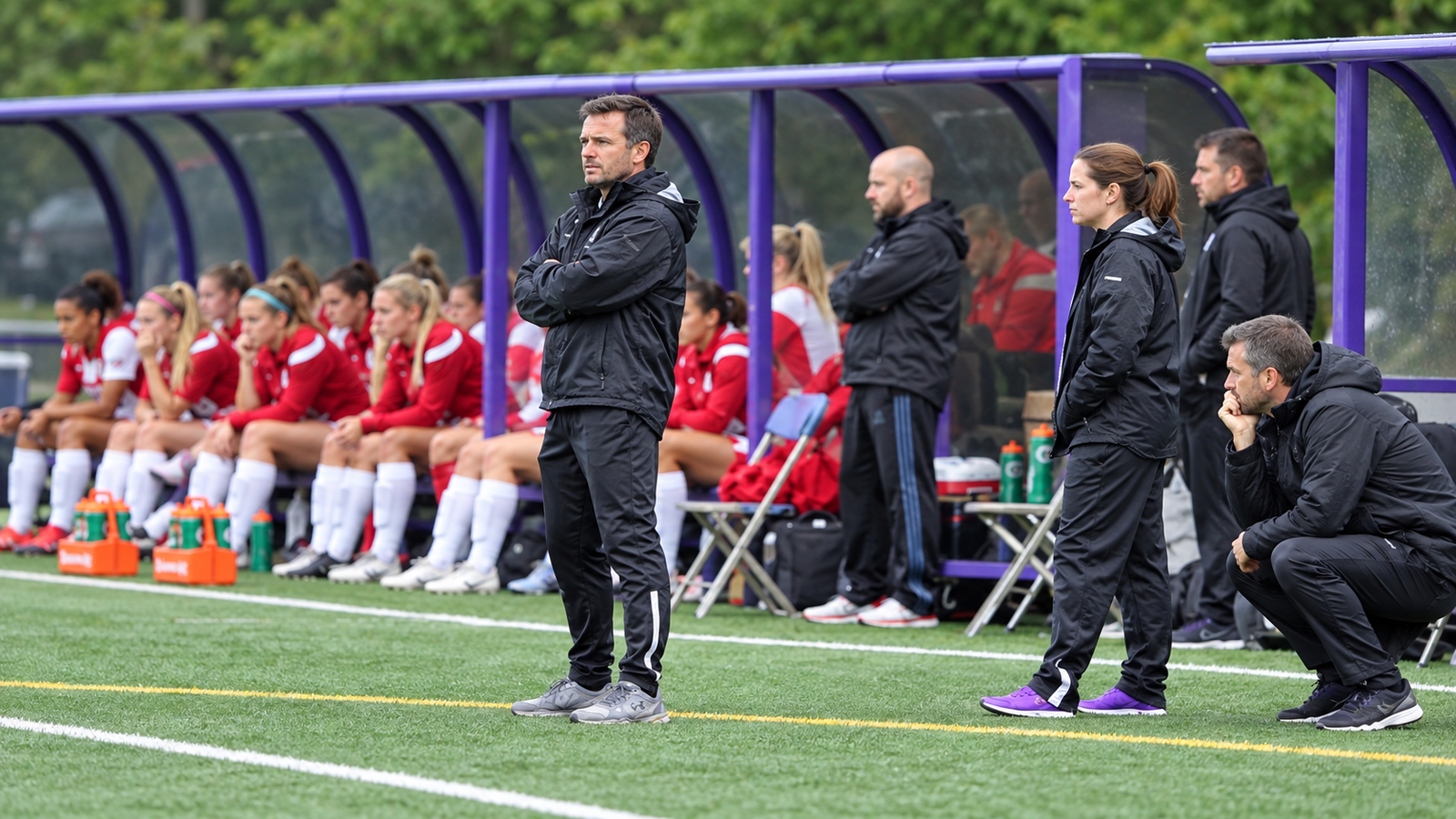
You spent eighteen months building a relationship with a college coach. Email after email. Campus visits. Phone calls. Your daughter knows the coach by first name. The coach has watched her play numerous times. There is a verbal offer on the table.
Then the coach leaves.
This happens more often than most recruiting families realize. Between February and April of any given year, hundreds of NCAA programs make changes to their coaching staffs — head coach departures, assistant transitions, coordinator promotions. Any of these changes can affect your daughter’s recruiting status at that program.
Most families are not prepared for it. Here is what you need to know.
What a Verbal Commitment Actually Is — and What It Is Not
Before anything else, it is important to be precise about what a verbal commitment means legally.
According to NCAA policy, a verbal commitment is not binding on the student-athlete or the school. It can be made at any time and either party can end it at any time. It does not guarantee a scholarship. It does not reserve a roster spot. It does not require a new coaching staff to honor any promise made by the previous coach.
The only binding agreement in college recruiting is the National Letter of Intent, and even that binds the athlete to the institution — not to the coaching staff. If an athlete has signed an NLI and a coach subsequently leaves, the NLI remains in effect. The athlete is committed to the school. But if only a verbal offer or verbal commitment exists and no NLI has been signed, a new coaching staff is legally free to reevaluate every recruit in the class.
We want to be careful here. We are not lawyers and this article is not legal advice. If your family is navigating a specific situation involving signed documents or scholarship agreements, consult directly with the institution and consider seeking independent legal guidance.
What Typically Happens When a Coach Leaves
When a new head coach arrives at a program, they inherit the previous staff’s recruiting class. What they do with that class depends on a number of factors — their own recruiting relationships, their system, the positions they need, and how much of the previous class fits their vision for the program.
Some new coaches honor every verbal commitment made by their predecessor. They understand that the athlete chose the school partly because of the relationship built by the departing coach, and they want to start the new era without disruption to families who have already made significant emotional and practical investments.
Other new coaches reassess every recruit. They may honor some commitments and rescind others. They may communicate this clearly or they may simply stop responding, which is its own kind of answer. According to multiple recruiting resources, a new coaching staff is legally allowed to rebuild the class based on their system, roster needs, position depth, and portal additions.
The most common scenario is somewhere in between. A new coach reaches out to verbally committed recruits, schedules conversations, and makes individual decisions based on fit. This process usually happens quickly — new coaches typically want to resolve recruiting class uncertainty fast so they can begin their own outreach.
What to Do in the First 30 Days
The thirty days after a coaching departure is announced are the most important period for a family in this situation. Here is the practical sequence.
Do not assume the worst immediately. Some coaching changes result in the new staff fully embracing the previous class. Wait for direct communication from the program before drawing conclusions.
Reach out proactively. Within a week of the coaching change announcement, send a direct email to the program — to whoever is the interim contact if the new coach has not yet been named — reaffirming your daughter’s interest in the program and asking about the timeline for the new staff to communicate with committed recruits. This demonstrates seriousness and keeps you visible.
Research the incoming coach immediately. If a new hire has been announced, pull everything you can find about their previous program. Their recruiting geography, the positions they prioritize, the style of player they have historically recruited. This is the fastest way to assess whether your daughter’s profile fits what the new coach is likely to want. The coaching tree intelligence that D1ProjX is building is designed specifically for this moment — understanding a coach’s historical recruiting patterns before they have built a body of work at their new program.
Do not stop your broader recruiting process. This is the most important instruction. A coaching change is not a reason to put all other outreach on hold while waiting for clarity from one program. If you have been pausing outreach to other programs because your daughter was verbally committed, resume that outreach immediately. You may need options you did not previously think you needed.
Reopen conversations with programs your daughter had previously deprioritized. Coaches at other programs you were in contact with before the verbal commitment may still have interest. The situation you are in is not unusual — coaches in the recruiting world understand what a coaching change means for a committed recruit, and a well-framed email explaining the situation is not awkward. It is honest and it is appropriate.
The Scenario Nobody Talks About — Following the Coach
Sometimes the coach who recruited your daughter moves to a different program and actively continues recruiting her to their new school. This happens. A coach who built a genuine relationship with a recruit does not lose interest in that recruit simply because they changed institutions.
If the departing coach reaches out and expresses interest in recruiting your daughter to their new program, that is a legitimate option worth exploring. It is not disloyal to the institution they left — verbal commitments are not binding, and the relationship your daughter has is with the person, not the program.
This scenario is worth exploring honestly while simultaneously evaluating whether the new coach at the original program wants to continue the relationship there. Your daughter may end up with two real options where before she had one.
The Bigger Lesson About How Recruiting Actually Works
A coaching change is one of the most stressful events in the recruiting process. It can feel like the ground disappearing beneath you after months of work.
But there is a lesson inside it about how recruiting works that is worth understanding clearly.
A verbal commitment is not the finish line. It is a milestone on the way to a signed agreement. Families who treat the verbal commitment as the end of the process — who stop all outreach, stop attending showcases, and stop maintaining other relationships the moment a verbal is given — are the families most exposed when a coaching change happens.
The families who fare best when coaching changes occur are the ones who never fully stopped their process. They were verbal committed but still visible. Still playing at showcases. Still maintaining relationships with coaches at other programs through occasional check-ins.
This is not disloyalty. It is how the system actually works. Coaches understand it. The families who understand it are the ones who have options when they need them.
Phase 3 of the Free Blueprint
Managing Coach Relationships
D1ProjX teaches the full recruiting system — including how to manage multiple relationships simultaneously, how to read a coaching change, and what to do when the recruiting landscape shifts unexpectedly.
Get the Free Blueprint →NCAA rules regarding commitments, scholarship agreements, and contact windows are subject to change. This article reflects information available as of September 2026. Always verify current rules at ncaa.org.